Exporting semi-trailer parts to overseas markets is a complex process that requires attention to detail and strategic planning. By understanding market dynamics, ensuring regulatory compliance, selecting appropriate transportation methods, and working with experienced partners, exporters can successfully navigate the international trade landscape and deliver their products to customers around the world.
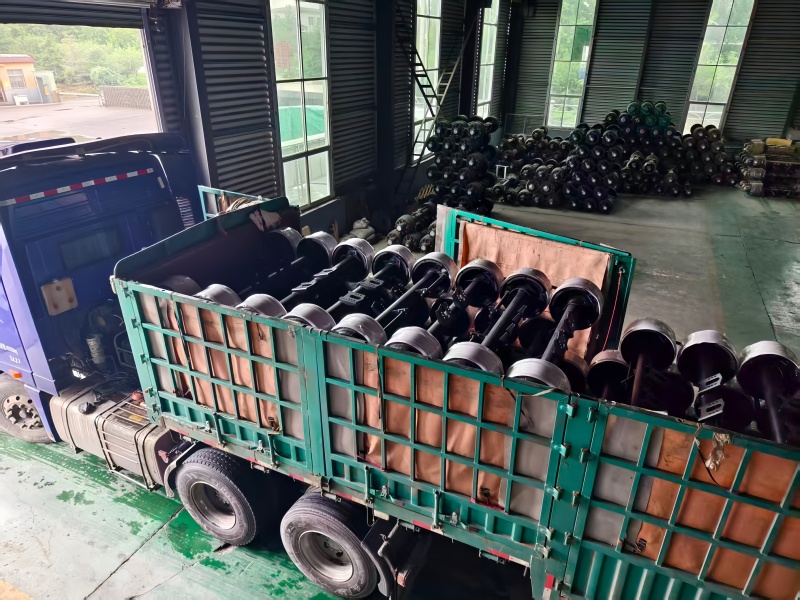
Selecting Transportation Mode
The choice of transportation mode significantly impacts the overall cost and speed of delivery. Here are the common transportation options for exporting semi-trailer parts:
Ocean Freight: This is the most popular method for shipping large and heavy cargo. Container ships are typically used, and parts can be shipped in full containers or as loose cargo. Ocean freight is cost-effective for long distances, although it has longer transit times.
Air Freight: For expedited shipments, air freight is an option. It is faster but considerably more expensive than ocean freight. This method is generally used for high-value or time-sensitive parts.Land Transportation: For parts that are being transported to neighboring countries, trucks may be used for cross-border deliveries. This option is often faster and can be more flexible in terms of scheduling.
Tracking and Delivery
Once the shipment is underway, monitoring its progress is crucial. Many freight forwarders offer tracking services that allow exporters and importers to stay updated on the shipment’s status. Timely communication with the buyer about expected delivery dates and any potential delays helps in managing customer expectations.